
Last Updated: October 26, 2026
Quick Summary
Hydrogen water inflammation research shows preliminary promise, but evidence remains inconclusive. Studies examining hydrogen water inflammation support have produced mixed results, with some detecting reductions in oxidative stress markers while others found no significant change, and most human trials are small and short-term.
- Most human studies on hydrogen water are small pilot trials under 30 participants lasting days to weeks, not large randomized controlled trials.
- Research shows hydrogen water may reduce oxidative stress markers in some populations, but larger, longer, well-controlled studies are needed.
- Common study protocols use hydrogen concentrations of 0.5 to 1.5 ppm consumed in divided servings or around exercise.
- Hydrogen water is generally safe with no official recommended dose, but consult your healthcare provider if you take inflammation medications.
- Dissolved hydrogen gas escapes quickly, so drink hydrogen water soon after generation for maximum concentration.
Table of Contents
- What Hydrogen Water Is and How It Differs From Regular Water
- Molecular Hydrogen Research Evidence for Inflammation
- Hydrogen-Rich Water Studies: What the Evidence Actually Tells Us
- Hydrogen Water Side Effects and Safety Considerations
- Best Time to Drink Hydrogen Water for Maximum Benefit
- Choosing a Hydrogen Water System That Works
- Book Your $20 first visit with FIRST50 to Find Your Right System
- Frequently Asked Questions
What Hydrogen Water Is and How It Differs From Regular Water
Hydrogen water is regular drinking water infused with molecular hydrogen gas through electrolysis. The distinction matters because molecular hydrogen is a gas that dissolves into the water itself, not a mineral or additive you can see or taste. Regular water contains no dissolved hydrogen gas, it's simply H2O with whatever minerals or contaminants are naturally present or added during treatment.
The key difference lies in bioavailability. When you drink hydrogen-rich water, the dissolved molecular hydrogen enters your bloodstream and can reach cells throughout your body. This is why researchers have begun investigating whether hydrogen water inflammation support might help manage inflammatory response and oxidative stress.
Most hydrogen water systems use one of two technologies: PEM (Proton Exchange Membrane) or SPE (Solid Polymer Electrolyte) electrolysis. These methods separate hydrogen and oxygen during electrolysis, allowing hydrogen to be introduced into the drinking water while byproducts are kept separate. The result is water that contains a measurable concentration of dissolved molecular hydrogen, typically measured in parts per million (ppm).
Molecular Hydrogen Research Evidence for Inflammation
Research into molecular hydrogen and inflammation has expanded considerably, though the field remains relatively young. Explore comprehensive molecular hydrogen research evidence to understand the scientific foundation behind these investigations. Studies examining hydrogen-rich water have looked at inflammatory markers, oxidative stress indicators, and various health outcomes. The evidence varies significantly depending on study design, participant population, and measurement methods.
How Molecular Hydrogen May Affect Oxidative Stress and Inflammatory Response
Oxidative stress occurs when reactive oxygen species (free radicals) accumulate faster than your body can neutralize them. This imbalance is thought to trigger inflammatory responses at the cellular level. Molecular hydrogen is proposed to work by selectively targeting harmful free radicals and reducing their ability to damage cells.
The proposed mechanism is straightforward: hydrogen molecules can cross cell membranes and reach mitochondria, where they may neutralize reactive oxygen species before they cause cellular damage.
Research examining this mechanism has used biomarkers like malondialdehyde (MDA) and 8-hydroxy-2'-deoxyguanosine (8-OHdG) to measure oxidative damage. Studies measuring these markers after hydrogen-rich water consumption have shown mixed results, some detected reductions in oxidative stress markers, while others found no significant change.
NIH research on molecular hydrogen and oxidative stress
What Human Studies Show
Human studies on hydrogen-rich water fall into several categories based on their design and scope. Most published studies are small pilot trials or case reports rather than large randomized controlled trials.
Studies examining exercise performance and recovery have been among the most commonly cited. Participants consuming hydrogen-rich water before or after exercise showed mixed outcomes, some reported reduced fatigue and faster recovery times, while others showed no measurable difference in performance metrics or recovery speed.
Research on inflammatory markers in people with specific conditions remains limited. A few small studies examined hydrogen-rich water in populations with inflammatory conditions, but sample sizes were typically under 30 participants, and follow-up periods ranged from days to weeks.
Hydrogen-Rich Water Studies: What the Evidence Actually Tells Us
Understanding what research actually demonstrates requires distinguishing between study types and evidence grades. Not all studies carry equal weight when evaluating whether hydrogen water supports inflammation management.
In-vitro studies (conducted in test tubes or cell cultures) show that molecular hydrogen can reduce oxidative stress markers in isolated cells.
Animal studies demonstrate that hydrogen-rich water can reduce inflammatory markers and oxidative stress in laboratory animals under controlled conditions.
Human pilot studies and case reports provide the most relevant evidence for real-world application. However, most existing human studies are small, short-term, and lack rigorous controls.
Cochrane Database systematic reviews on hydrogen interventions
Hydrogen Water Side Effects and Safety Considerations
Hydrogen water is generally regarded as safe for most people. Molecular hydrogen gas is inert, it doesn't react with your body's tissues or organs.
That said, a few practical considerations deserve attention. Some people report mild digestive effects when first consuming hydrogen-rich water, typically resolving within days as their system adjusts.
If you take medications for inflammation management or have a diagnosed inflammatory condition, check with your healthcare provider before relying on hydrogen water as a primary strategy. Hydrogen water is a supplement to healthy habits, not a replacement for prescribed treatments.
Hydrogen Living Molecular Hydrogen Water Generator | PEM + SPE Technology RO 3 →
People with kidney disease or conditions affecting fluid balance should consult their healthcare provider before significantly changing their water intake, as with any dietary change.
Best Time to Drink Hydrogen Water for Maximum Benefit
There is no validated therapeutic dose of hydrogen water, and no official body has set a recommended intake, concentration, or schedule for inflammation support. That is the most important thing to know before optimizing timing. What the research does offer is a set of patterns from small studies that you can use to build a sensible routine, while understanding that none of them has been confirmed in large trials.
What concentrations and schedules the studies used
Hydrogen concentration in research is usually reported in parts per million (ppm) or in millimolar (mM) of dissolved hydrogen, and the two are not interchangeable with the concentration a consumer device advertises. A common pattern in published human studies is water in the roughly 0.5 to 1.5 ppm range, consumed in divided servings across the day or in a single serving before or after a challenge such as exercise. Some studies use higher concentrations for shorter periods; others use lower concentrations for weeks.
Because devices vary in how they generate and retain hydrogen, the concentration at the moment of drinking can differ substantially from the number on the box. A device rated at a certain ppm may deliver less by the time you finish the glass, especially if the water sits in an open container.
Timing patterns worth knowing
- Around exercise: The most consistent timing signal in the literature is consumption shortly before or after exercise, when oxidative stress and muscle damage markers peak. If your goal is recovery support, this is the timing with the most human data behind it.
- Divided daily servings: For general oxidative stress support, several studies use small servings spread through the day rather than one large serving. The rationale is that dissolved hydrogen clears from the body quickly, so repeated exposure may matter more than a single dose.
- With or without food: Some practitioners suggest drinking hydrogen water on an empty stomach, but direct comparisons of absorption with and without food are limited. This is a preference, not an evidence-based rule.
- Consistency over precision: Drinking hydrogen water regularly is likely more useful than chasing an exact clock time. Most people do best by folding it into an existing hydration habit.
Duration and realistic expectations
Short studies dominate, so there is little evidence about what happens over months or years. A reasonable approach is to try a consistent routine for several weeks and judge it by how you feel and, if you have a clinician monitoring you, by any markers they track. If you notice no difference, the evidence does not support escalating concentration or frequency indefinitely.
Hydrogen retention and product quality
Dissolved hydrogen is a gas, and it escapes. The practical implications are straightforward:
- Drink soon after generation. Hydrogen concentration drops as water sits, especially in an open glass or a container that is not sealed.
- Sealed and pressurized packaging retains more. Bottled hydrogen water sold sealed generally holds concentration better than water poured and left out.
- Measurement is not standardized for consumers. A dissolved hydrogen meter can give a rough reading, but consumer meters vary in accuracy, and a reading at generation is not a reading at consumption.
- Storage temperature and agitation matter. Warm, shaken, or repeatedly opened containers lose hydrogen faster.
None of this establishes a benefit; it simply means that if you are going to compare products or routines, compare them at the point of drinking, not at the point of generation. For inflammation support specifically, the evidence does not yet justify optimizing timing or concentration beyond a consistent, reasonable routine.
Choosing a Hydrogen Water System That Works
Selecting a hydrogen water system requires balancing several practical factors: hydrogen concentration output, maintenance requirements, portability versus convenience, and long-term durability.
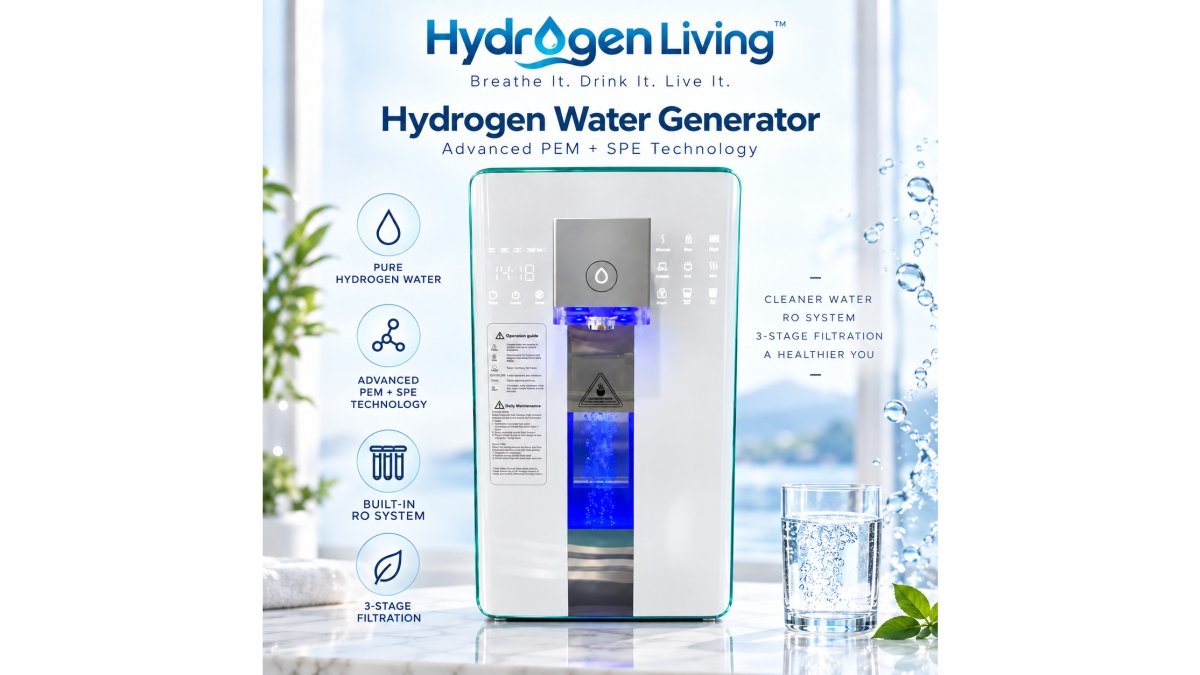
Countertop systems like the Hydrogen Living Molecular Hydrogen Water Generator | PEM + SPE Technology RO 3 Stage Filter offer consistent hydrogen production and higher concentrations than portable options.

Portable systems like the H2 WATER ELITE SPORT™ Portable Molecular Hydrogen Water Bottle let you generate hydrogen-rich water anywhere, at work, during travel, or at the gym.
Premium countertop options like the H2 ELITE GOLD™ Molecular Hydrogen Water System combine hydrogen generation with multi-stage reverse osmosis filtration and instant hot and cold water dispensing.
When evaluating any system, look for specifications on hydrogen concentration output (measured in ppm), warranty length, filter replacement frequency, and build quality.
Consumer Reports on water filtration system durability
Learn more about portable vs countertop options to help select the right system type for your needs.
Book Your $20 first visit with FIRST50 to Find Your Right System
Choosing the right hydrogen water system depends on your lifestyle, budget, and specific wellness goals. At Hydrogen Living, we offer personalized guidance to help you select a system that actually fits your routine rather than sitting unused on a shelf.
Our $20 first visit with FIRST50 walks you through your options, answers technical questions about hydrogen concentration and maintenance, and helps you understand what realistic expectations are for hydrogen water and inflammation support. We're based in Bristol, Tennessee, and available for both in-person consultations at our studio and remote guidance for customers anywhere.
Book a $20 first visit with FIRST50 with our team to find your right hydrogen water system.
| System Type | Best For | Maintenance | Portability |
|---|---|---|---|
| Countertop (PEM/SPE) | Daily home use, consistent hydrogen output | Filter changes, periodic cleaning | Stationary |
| Portable Bottle | Active lifestyle, travel, gym use | Battery charging, regular cleaning | Highly portable |
| Premium Countertop | Comprehensive water quality + hydrogen | Multi-stage filters, periodic maintenance | Stationary |
Frequently Asked Questions
Does hydrogen water actually fight inflammation?
Research suggests molecular hydrogen may help reduce oxidative stress and support the body's inflammatory response, but human studies are still limited. Most evidence comes from laboratory and animal studies. A few small human trials show promise for recovery after exercise and general wellness, but larger, longer clinical trials are needed before making strong claims. Hydrogen water should be viewed as a wellness tool, not a replacement for medical treatment.
What do hydrogen-rich water studies show about long-term use?
Most published hydrogen-rich water studies run between four weeks and eight weeks. Few track outcomes beyond that timeframe. The studies that do exist focus on exercise recovery, oxidative stress markers, and general inflammatory markers. Results vary by study design and population. Longer human studies are needed to understand sustained benefits and optimal dosing patterns over months or years.
What are the side effects of hydrogen water?
Hydrogen water is generally considered safe. No serious adverse effects have been reported in published studies. Some users report mild digestive changes when first starting, but these are uncommon and typically temporary. Because hydrogen gas is inert and passes through the body without being absorbed, the risk profile is very low. However, anyone taking medications or managing a medical condition should consult their healthcare provider before adding hydrogen water to their routine.
Is the best time to drink hydrogen water before or after exercise?
Most research on hydrogen water and exercise performance looked at consumption before or immediately after workouts. Some studies suggest drinking it post-exercise may support recovery by reducing oxidative stress markers. However, optimal timing likely depends on your individual goals and body chemistry. Starting with a consistent daily routine is more important than perfecting timing. A $20 first visit with FIRST50 can help you develop a schedule that fits your lifestyle.

Try your first hydrogen wellness visit for $20
One guided hour for up to 2 people at Hydrogen Living in Bristol, Tennessee. Includes full use of an H₂ Massage Chair, Molecular Hydrogen Inhalation Therapy, Red Light Therapy, Compression Boot Therapy, Molecular Hydrogen Water to drink during your visit, an information packet, and 2 quarts of fresh hydrogen water to take home.
Book your $20 first visit with FIRST50. Regular consultation price $65. FIRST50 takes $45 off one eligible appointment, limited to the first 50 introductory bookings and one use per customer. Confirm $20 at checkout. No sales tax is charged on this session.
1606 W. State Street, Unit B, Bristol, TN 37620 · Monday–Friday, 10 AM–6 PM Eastern · 423-804-0197.
Breathe it. Drink it. Live it.