
Table of Contents
- Hydrogen Water Bottle vs Tablets: Quick Comparison
- How Hydrogen Water Bottles Work
- How Hydrogen Water Tablets Work
- How Long Does Hydrogen Water Last After Generation
- Hydrogen Water Cost: Bottles vs Tablets Over Time
- Is Hydrogen Water Safe: What You Should Know
- Which Option Is Right for Your Lifestyle
- Frequently Asked Questions
Last Updated: October 19, 2026
Hydrogen Water Bottle vs Tablets: Quick Comparison
Choosing between a hydrogen water bottle vs tablets comes down to convenience, cost, and daily use. At Hydrogen Living, we help customers pick the right system for their lifestyle.

Bottles generate fresh hydrogen-rich water on demand via electrolysis; tablets dissolve to produce hydrogen through a chemical reaction. Both deliver molecular hydrogen, but differ in preparation time, portability, consistency, and long-term expense.
This guide covers how each works, how long hydrogen lasts after generation, real cost comparisons, and safety, so you can pick what fits your routine.
| Feature | Hydrogen Water Bottle | Hydrogen Tablets |
|---|---|---|
| Generation Time | 3-5 minutes | 1-2 minutes |
| Portability | Highly portable | Ultra-portable (pocket-sized) |
| Preparation | Fill, press button, wait | Drop in water, wait |
| Cost Per Serving | $0.50-$1.50 | $0.75-$2.00 |
| Hydrogen Consistency | Fresh, immediate | Variable (depends on water chemistry) |
| Maintenance | Periodic cleaning | None |
| Best For | Daily home/gym use | Travel, on-the-go |
| Upfront Investment | $298-$3,998 | $15-$40 per bottle of tablets |
How Hydrogen Water Bottles Work
A hydrogen water bottle uses electrolysis to split water molecules and infuse molecular hydrogen into your drinking water. PEM (Proton Exchange Membrane) and SPE (Solid Polymer Electrolyte) technology separates hydrogen gas from oxygen so hydrogen dissolves into the water while byproducts are kept separate.
Fill the bottle with tap or filtered water, press a button, and the electrolysis chamber activates; within minutes, fresh hydrogen-rich water is ready. The H2 WATER ELITE SPORT™ Portable Molecular Hydrogen Water Bottle, for example, produces fresh hydrogen-rich water in minutes with its 400 mL capacity and 4,500 mAh rechargeable battery.

The key advantage is freshness: hydrogen is an extremely small, light molecule that escapes water quickly, so on-demand generation means you drink it at peak concentration. The H2 WATER ELITE SPORT™ Portable Molecular Hydrogen Water Bottle includes an intelligent self-cleaning system, UV sanitation technology, convenient wireless charging, and a full-color touchscreen display.
Bottles suit people with consistent routines, gym-goers, office workers, anyone who drinks water at predictable times, since you control generation and minimize gas escape.
How Hydrogen Water Tablets Work
Hydrogen tablets work through a chemical reaction rather than electrolysis. Dropped into water, the tablet's active ingredients (typically magnesium and other compounds) produce molecular hydrogen gas that dissolves into the liquid, no electricity or moving parts required.
The process is simple: drop a tablet into water, wait 1-2 minutes, and drink. No charging, buttons, or setup. Tablets are pocket-sized and nearly weightless, ideal for travel, hiking, or anywhere a device isn't practical.
The tradeoff is consistency: tablet performance depends on water chemistry, and chlorinated, hard, or high-mineral water can affect hydrogen concentration and dissolution. The reaction happens all at once, so hydrogen escapes if you don't drink immediately, and magnesium byproducts remain in the water.
Tablets excel for occasional use or travel: affordable upfront with no maintenance, but at $0.75-$2.00 per tablet, daily use can exceed the cost of operating a hydrogen water bottle once its initial investment is recouped.
How Long Does Hydrogen Water Last After Generation
This is where the bottle-versus-tablet decision gets critical: molecular hydrogen is an extremely small molecule that begins escaping immediately once generated or dissolved.
For bottles, hydrogen concentration is best within 15-30 minutes of generation; after an hour, a significant portion is lost, and after several hours most has escaped. That's why bottles are designed for immediate consumption.
For tablets, the same principle applies: the reaction happens in your glass, so you drink within minutes of generation, but waiting 30 minutes means losing substantial hydrogen concentration.
Both methods require immediate consumption to maximize concentration; the difference is convenience, bottles generate at the moment you drink, while tablets require you to be ready right after dropping them in.
Hydrogen Water Cost: Bottles vs Tablets Over Time
The upfront price gap is dramatic, but what matters is total cost of ownership: purchase price plus every consumable, replacement part, and energy cost you'll actually pay. Here's a transparent model you can adapt to your usage.
Build the model in four lines. Write down (1) purchase price, (2) cost per serving of consumables, (3) annual replacement and maintenance costs, and (4) expected service life. Divide the total by servings per year, that cost per serving at your usage rate is the only fair comparison.
Hydrogen Water Bottles: A portable bottle such as the H2 WATER ELITE SPORT™ lists at $298.00. Charging a 4,500 mAh battery costs a few dollars per year at most; the real ongoing costs are replacement filters or pre-filter media, cleaning supplies, and eventual battery or component service.
Hydrogen Tablets:
The Breakeven Point:
Countertop Systems: For households, countertop systems such as the Hydrogen Living Molecular Hydrogen Water Generator ($3,998.00) or the H2 ELITE GOLD™ ($3,998.00) spread a larger investment across multiple drinkers and years of daily use. Both carry 2-year limited warranties.
H2 WATER ELITE SPORT™ Portable Molecular Hydrogen Water Bottle →

Is Hydrogen Water Safe: What You Should Know
Safety questions about hydrogen water fall into two buckets: the hydrogen itself and the delivery hardware. Most articles only address the first, but the second is where product quality lives, so here are practical checks to run before you buy.
Molecular Hydrogen Safety: Hydrogen gas is inert and non-toxic at the concentrations used in drinking water. Your body does not store it; you exhale it. The research literature on regular consumption has not reported serious adverse effects, but that is a statement about safety, not proof of benefit. Keep the two separate.
Bottle Quality Checks: Electrolysis bottles generate hydrogen through a controlled process, and design details determine what ends up in your glass. Look for:
- Gas separation. A proton exchange membrane (PEM) or solid polymer electrolyte (SPE) stack keeps hydrogen separate from oxygen and other byproducts.
- Materials in the water path. Food-grade, corrosion-resistant materials matter since you drink from the chamber daily.
- Certifications. Look for third-party electrical safety marks on the charger and battery, plus independent water-contact material certifications. Certifications are verifiable; marketing language is not.
- Cleaning and sanitation. Self-cleaning cycles and UV sanitation help but don't replace periodic descaling, especially with hard water. Follow the manual.
Tablet Quality Checks: Tablets are chemically simpler but vary widely in purity and labeling. Look for:
- A complete ingredient list with amounts per tablet, not a proprietary blend.
- A stated hydrogen yield or equivalent so you can compare products on something other than price.
- Manufacturing disclosures such as where the tablets are made and whether the facility follows current good manufacturing practice (cGMP).
- Allergen and excipient information, since binders and flavorings vary. The magnesium compounds commonly used are ordinary food-supplement ingredients, but that does not make every tablet equivalent. Buy from established brands and keep the lot number.
Water Quality Matters: Both methods depend on your source water. Heavily chlorinated or contaminated tap water should be pre-filtered. Hard water with high mineral content can scale a bottle's electrolysis chamber and change how a tablet dissolves. Filtered or purified water produces more predictable results with both formats.
Evidence Quality: Established hydration facts are well supported: water is essential and most people do not drink enough. Much of it is in cells and animals, human trials are small and often short, and results are not yet consistent enough to support disease claims (Hydrogen Water: Extra Healthy or a Hoax?, A Systematic Review).
Important Note: Hydrogen Living products are intended for general wellness and hydration purposes only. They are not intended to diagnose, treat, cure, or prevent any disease. Research into molecular hydrogen is ongoing, and any potential health benefits continue to be studied. Always consult with a healthcare provider before making significant changes to your hydration routine, especially if you have existing health conditions.
Which Option Is Right for Your Lifestyle
The best choice depends on how often you use hydrogen water, whether you prioritize portability, and your budget.
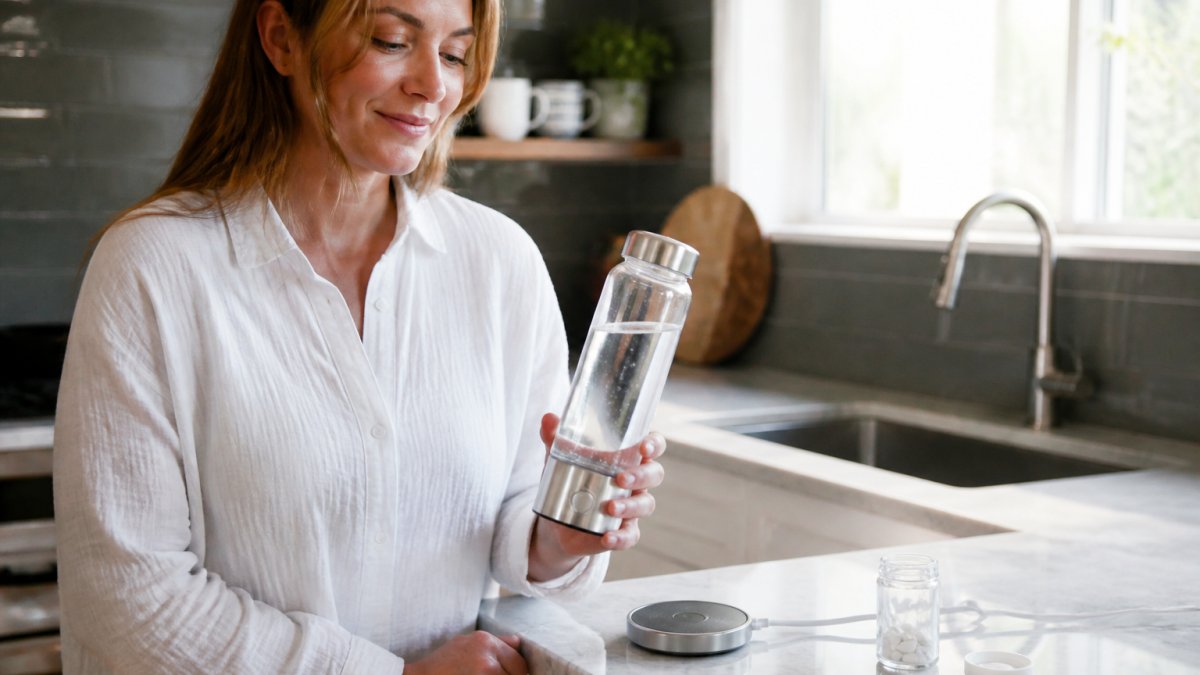
Choose a Hydrogen Water Bottle if: You drink hydrogen-rich water daily or several times per week, want fresh generation at the moment of consumption, and are willing to invest upfront for lower per-serving costs.
The H2 WATER ELITE SPORT™ is designed for active lifestyles, fitting easily into gym bags or backpacks with its 400 mL capacity and lightweight design.
Choose Hydrogen Tablets if: You travel frequently or use hydrogen water sporadically, want zero maintenance and maximum portability, or are testing hydrogen water before committing to a device.
Tablets slip into pockets or luggage without taking up space. They require no charging, no setup, and no cleaning. For occasional travelers or wellness explorers, tablets eliminate friction.
The H2 ELITE GOLD™ combines molecular hydrogen generation with advanced multi-stage reverse osmosis filtration and instant hot and cold water dispensing. It's designed for families and wellness enthusiasts who want premium hydration integrated into their kitchen.
The choice between hydrogen water bottles and tablets isn't about which is objectively better, it's about which fits your daily life.
If you're ready to find the right hydrogen water system for your lifestyle, Hydrogen Living offers a variety of options including portable bottles, countertop systems, and expert guidance. Book a $1 consultation with our team in Bristol, Tennessee, or explore our complete product lineup online. According to ongoing molecular hydrogen research, consistent use of hydrogen-rich water has become an area of growing scientific interest.
Frequently Asked Questions
Are hydrogen water bottles better than hydrogen tablets?
Both have distinct advantages depending on your needs. Hydrogen water bottles generate fresh molecular hydrogen on demand, producing higher concentrations and retaining the gas longer since it's generated right before drinking. Hydrogen water tablets are more portable for travel and require no charging, but they typically produce lower concentrations and hydrogen dissipates faster. Bottles work best for daily home or office use; tablets suit occasional travelers or those seeking convenience over maximum concentration.
How long does hydrogen water last after using a bottle or tablet?
Hydrogen is an extremely small, light molecule that escapes from water quickly. Freshly generated hydrogen water from a bottle is best consumed within minutes to preserve maximum molecular hydrogen content. Hydrogen water from tablets also begins losing dissolved hydrogen immediately after generation. Both methods are most effective when the hydrogen-rich water is consumed shortly after preparation. Extended storage significantly reduces the hydrogen concentration, which is why fresh generation is preferred over pre-bottled hydrogen water.
Is hydrogen water safe to use?
Hydrogen water from both bottles and tablets is generally recognized as safe for consumption. The hydrogen gas itself is inert and non-toxic. However, ensure any device uses quality materials and proper electrolysis technology (like PEM/SPE systems) to avoid unwanted byproducts. Always follow manufacturer instructions for maintenance and water quality. If you have specific health conditions or take medications, consult your healthcare provider before adding hydrogen-rich water to your routine. Products should not be used to diagnose, treat, cure, or prevent disease.
What is the total cost difference between hydrogen water bottles and tablets?
Hydrogen water bottles require a higher upfront investment, the H2 WATER ELITE SPORT portable bottle costs $298.00, but produce hydrogen-rich water indefinitely after purchase, with only electricity costs for charging. Tablets involve lower initial cost per unit but require ongoing purchases for each use. Over a year of daily use, bottles typically cost less per serving than tablets, making them more economical for regular users. Countertop systems like the H2 ELITE GOLD ($3,998.00) offer the lowest cost per serving for households but require significant initial investment.
How do hydrogen water bottles and tablets produce hydrogen water differently?
Hydrogen water bottles use advanced PEM/SPE electrolysis technology to split water molecules and infuse dissolved hydrogen gas directly into your drinking water. This generates fresh hydrogen-rich water in minutes at the push of a button. Hydrogen tablets work through a chemical reaction, typically magnesium reacting with water to produce hydrogen gas that dissolves into the water. Both methods create dissolved molecular hydrogen, but bottles offer more control over concentration and freshness, while tablets provide a simpler, no-electricity-required alternative.